Introduction
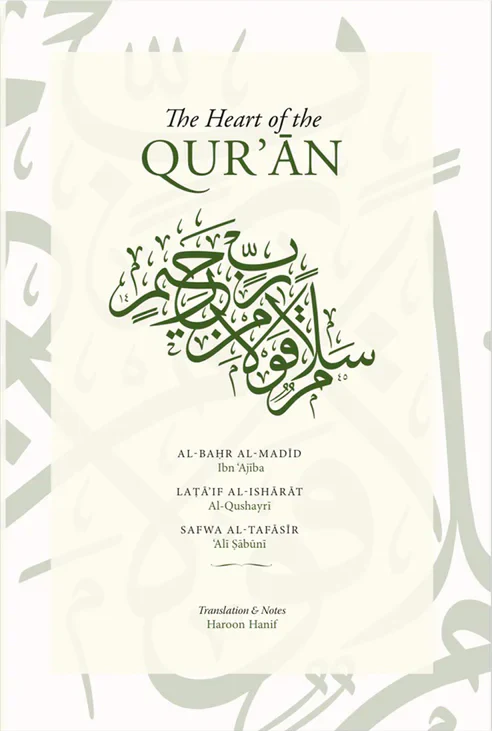
The Heart of the Quran by Haroon Hanif is a profound exploration of Surah Ya Sin, often referred to as “the heart of the Quran,” a title attributed to Prophet Muḥammad -Peace and Blessings of Allah Be Upon Him-. This remarkable work provides a comprehensive English translation of this pivotal chapter, accompanied by commentary drawn from three renowned tafsirs. Shaykh Haroon Hanif’s meticulous approach ensures that the profound messages of Surah Yā Sīn are accessible to modern readers while preserving its spiritual essence. Designed for English-speaking Muslims and anyone interested in understanding Islamic scripture, the book seamlessly blends linguistic precision, historical context, and spiritual depth, offering a transformative reading experience.
Themes and Purpose of The Heart of the Quran by Haroon Hanif
The primary purpose of The Heart of the Quran by Haroon Hanif is to provide a clear and enriching understanding of Surah Yā Sīn. The translation aims to balance linguistic accuracy with readability, making it approachable for a diverse audience. By including tafsīrs with varying perspectives, the book addresses thematic and interpretive challenges often encountered by readers.
Surah Yā Sīn is renowned for its central themes of divine mercy, human accountability, and the afterlife. Shaykh Haroon’s work highlights these messages while offering insights into the practical and spiritual benefits of its recitation. The inclusion of Prophetic narrations (ṣaḥīḥ) further underscores its significance, emphasizing its role as a source of forgiveness, guidance, and spiritual reward.
Unique Features of The Heart of the Quran by Haroon Hanif
The distinctiveness of The Heart of the Quran by Shaykh Haroon Hanif lies in its integration of three tafsīr styles:
- Contemporary Tafsīr: Shaykh Muḥammad ʿAlī Al-Ṣābūnī’s commentary summarizes classical tafsīrs, offering concise interpretations that align with the sensibilities of modern readers.
- Classical Tafsīr: Shaykh Aḥmad ibn ʿAjība’s work provides a detailed exploration of linguistic and contextual nuances, enriching the reader’s understanding of the Qur’ānic text.
- Spiritual Tafsīr: Shaykh ʿAbdu’l-Karīm bin Ḥawāzin al-Qushayrī’s perspective extracts deeper, mystical meanings, revealing spiritual dimensions not immediately apparent in the verses.
Additionally, the book’s use of elegant Arabic calligraphy and transliteration makes it appealing to readers who may struggle with Qur’ānic Arabic. This thoughtful design ensures that the book serves as both a spiritual and educational resource.
Translator’s Background and Approach
Shaykh Haroon Hanif brings a wealth of knowledge and experience to this project. With a deep understanding of classical Arabic and Islamic sciences, he approaches the Qur’ān with reverence and scholarly rigor. His methodology involves synthesizing traditional interpretations with modern sensibilities, ensuring that the translation resonates with contemporary audiences while remaining rooted in Islamic orthodoxy.
Shaykh Haroon’s intent is clear: to honor the profound depth of the Qur’ān while making its teachings accessible to a wide range of readers. His reliance on authentic sources and his nuanced understanding of linguistic subtleties make this translation a valuable contribution to the field of Qur’ānic studies.
Impact and Reception by Religious Scholars
The Heart of the Quran has been met with acclaim from religious scholars and educators. Its balanced approach, combining traditional and contemporary insights, has been praised for its depth and accessibility. Scholars have commended its inclusion of multiple tafsīr perspectives, which provide readers with a richer understanding of Surah Yā Sīn. The book has also been noted for its utility in both personal study and educational settings, bridging the gap between academic rigor and spiritual enrichment.
Critiques, while limited, primarily focus on the challenges inherent in translating the Qur’ān. Some readers may find certain interpretive choices unconventional, but these are balanced by the inclusion of classical and widely accepted commentaries.
Who This Translation Is For
The Heart of the Quran by by Haroon Hanif is ideal for:
- Muslims seeking deeper understanding: The book’s comprehensive approach makes it an excellent resource for personal reflection and study.
- Students of Islamic studies: The integration of tafsīrs with differing methodologies provides valuable insights for academic exploration.
- Non-Muslims interested in Islam: The clear and accessible translation offers a window into the Qur’ān’s teachings, fostering interfaith understanding.
- Educators and community leaders: The book’s structured format and rich content make it a useful tool for teaching and community discussions.
Conclusion
The Heart of the Qurʾān by Haroon Hanif stands out as an exceptional resource for understanding Surah Yā Sīn through its multi-faceted translation and commentary. By incorporating contemporary, classical, and spiritual tafsīrs, it provides readers with a profound and comprehensive exploration of this central chapter of the Qurʾān. Whether you are seeking a deeper spiritual connection, historical insights, or an enriched linguistic understanding, this work offers a valuable guide.
If you are inspired to explore more, we invite you to delve into our other articles on various translations of the Qurʾān. Discover their unique approaches, insights, and contributions to understanding the sacred text.