Introduction
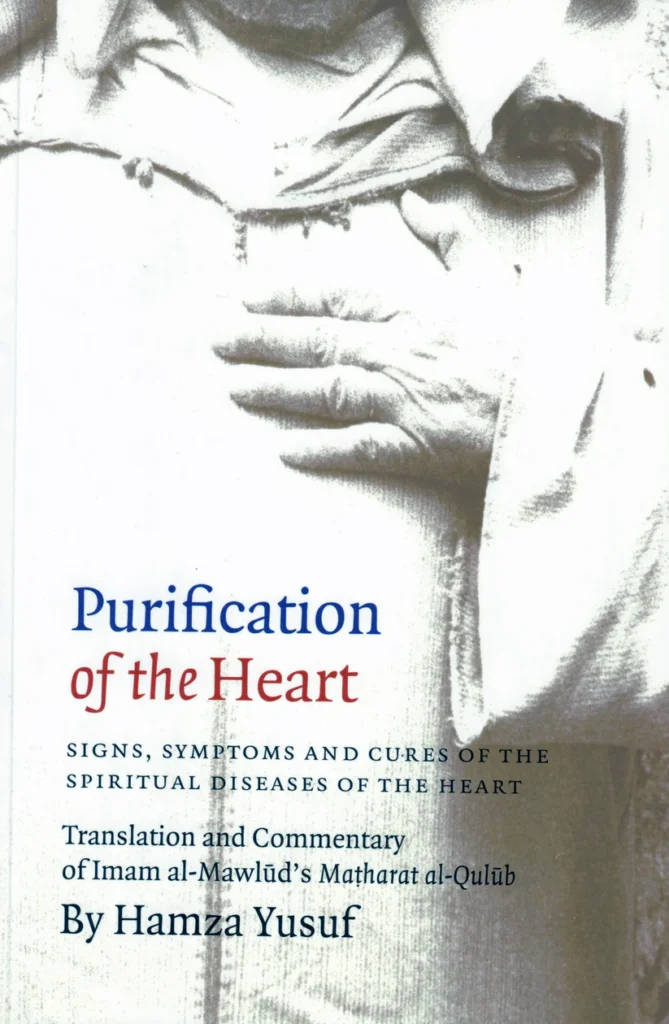
Purification of the Heart Book: Signs, Symptoms, and Cures of the Spiritual Diseases of the Heart by Muhammad Mawlud, with translation and commentary by Hamza Yusuf, is a timeless work that addresses the inner struggles of the soul. Rooted in classical Islamic teachings, this book serves as both a diagnostic manual and a treatment guide for spiritual maladies that hinder one’s connection with Allah. In this article, we will delve into the book’s background, its profound teachings, and its relevance in today’s world.
Background of Purification of the Heart Book
The original text, Matārat al-Qulūb, was written by the West African scholar Shaykh Muhammad Mawlud al-Ya’qubi al-Musawi in the 19th century. The book’s purpose is to provide Muslims with a framework to identify and treat the diseases of the heart, such as arrogance, envy, and greed. Hamza Yusuf, a prominent contemporary Islamic scholar, has translated and expounded on this work, making it accessible to English-speaking audiences. His commentary contextualizes the teachings for modern readers while preserving the integrity of Mawlud’s original message.
Key Themes and Teachings
1. Understanding the Heart’s Role
The heart (qalb) is seen in Islamic tradition as the seat of both faith and morality. Mawlud emphasizes that a purified heart is essential for a meaningful relationship with Allah. Conversely, a diseased heart leads to spiritual stagnation and moral decay.
2. Signs and Symptoms of Spiritual Diseases
The Purification of the Heart book meticulously identifies various spiritual diseases, such as:
- Riya’ (Showing Off): Performing acts of worship for recognition rather than sincerity.
- Hasad (Envy): Wishing harm or deprivation upon others out of jealousy.
- Kibr (Arrogance): Viewing oneself as superior to others.
- Ghadab (Anger): Uncontrolled rage that leads to harmful actions.
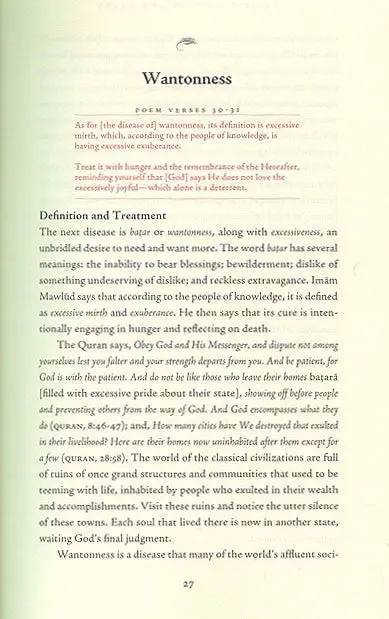
For each malady, Mawlud provides vivid examples and signs to help readers identify these traits within themselves.
3. Practical Remedies
The book offers remedies grounded in Islamic teachings. For instance:
- To combat arrogance, one is encouraged to reflect on their origin (a drop of fluid) and eventual return (dust).
- To cure envy, Mawlud suggests gratitude and recognizing Allah’s wisdom in distributing blessings.
- For anger, the Prophet Muhammad’s advice to remain silent or perform ablution is highlighted.
Real-Life Applications
- Self-Reflection and Accountability
The Purification of the Heart book’s teachings encourage a culture of self-reflection. Readers can apply its principles by engaging in daily introspection to identify spiritual weaknesses and take actionable steps toward improvement. - Improved Interpersonal Relationships
By addressing diseases like envy and anger, the book fosters a healthier approach to relationships. For example, practicing gratitude and controlling anger can enhance harmony within families and communities. - Personal Growth and Emotional Resilience
The principles outlined in the book nurture emotional intelligence and resilience. For instance, understanding and mitigating arrogance can lead to a more grounded and empathetic character.
What Scholars Have Said About Purification of the Heart Book
Prominent Islamic scholars have praised Purification of the Heart Book for its depth, clarity, and relevance. Below are some notable endorsements and reflections:
1. Shaykh Hamza Yusuf (Translator and Commentator)
Hamza Yusuf himself has remarked that this book is one of the most important texts for Muslims seeking self-purification. He emphasizes its practicality and universality, stating that the diseases discussed are not bound by time or culture but are inherent challenges for all human beings. Yusuf’s commentary bridges classical teachings with contemporary issues, making the text accessible to modern audiences.
2. Imam Zaid Shakir
Imam Zaid Shakir, a leading American Islamic scholar, has highlighted the book’s ability to awaken spiritual consciousness. He has described it as a “roadmap for anyone seeking to refine their soul and draw closer to Allah.” Shakir appreciates the balance between deep Islamic scholarship and relatable guidance, which makes the text appealing to both scholars and laypeople.
3. Dr. Umar Faruq Abd-Allah
Dr. Umar Faruq Abd-Allah has praised Purification of the Heart as a cornerstone of Islamic spirituality. He notes that Mawlud’s approach of blending scholarly rigor with poetic eloquence makes the book both intellectually stimulating and spiritually uplifting. He also commends Hamza Yusuf for his skillful translation and insightful commentary.
4. Shaykh Abdal Hakim Murad (Timothy Winter)
Shaykh Abdal Hakim Murad has described the book as “a treasure trove of wisdom for our times.” He points out its relevance in addressing the moral and spiritual crises of the modern world. Murad also highlights how the text serves as a reminder of the centrality of the heart in Islamic theology and practice.
5. Critiques and Suggestions
While the book is widely acclaimed, some scholars have suggested areas for further exploration. For instance, a few have noted that the book could include more practical case studies or anecdotes to illustrate the application of its teachings in diverse contemporary contexts. However, these critiques are minor and do not detract from the overall value of the work.
What Muslim Readers Say About Purification of the Heart Book
Muslim readers worldwide have shared deeply personal accounts of how Purification of the Heart has transformed their lives. Here are a few testimonials:
- Enhanced Spiritual Awareness Many readers report that the book has heightened their awareness of internal struggles they previously overlooked. One reader noted, “I never realized how deeply arrogance had taken root in my heart until I read this book. The exercises and reflections have been life-changing.”
- Practical Guidance for Daily Life The book’s practical remedies resonate with readers seeking actionable steps toward self-improvement. A reader shared, “The advice on overcoming envy through gratitude completely shifted my perspective. It’s something I apply every day now.”
- Improved Relationships By addressing spiritual diseases, readers have experienced improved interpersonal dynamics. One individual wrote, “The lessons on anger management helped me rebuild my relationship with my family. I’ve learned to approach conflicts with patience and understanding.”
- A Source of Hope and Inspiration For many, the book serves as a beacon of hope. A young professional commented, “In the chaos of modern life, Purification of the Heart reminds me of what truly matters: sincerity, humility, and a connection with Allah.”
The Relevance of Purification of the Heart Book in Modern Times
In an era marked by materialism and instant gratification, the teachings of Purification of the Heart are more relevant than ever. The book’s emphasis on inner tranquility and sincere worship offers a counterbalance to the external pressures of contemporary life. By focusing on spiritual health, individuals can achieve a sense of purpose and contentment that transcends worldly concerns.
Conclusion
Purification of the Heart by Muhammad Mawlud and Hamza Yusuf is a spiritual treasure that provides timeless wisdom for personal growth and self-purification. Its teachings transcend cultural and temporal boundaries, making it a valuable resource for anyone seeking to improve their inner state and deepen their relationship with Allah. Whether you are new to Islamic spirituality or a seasoned student, this book offers profound insights that resonate with the soul and inspire transformative change.
For those ready to embark on a journey of self-discovery and spiritual healing, Purification of the Heart is not just a book—it is a companion for life.
Purification of the Heart offers profound insights into overcoming inner challenges and cultivating spiritual growth. If you found this book inspiring, explore more self-help Islamic books that guide the soul toward balance, resilience, and a closer connection to Allah.