1. Introduction
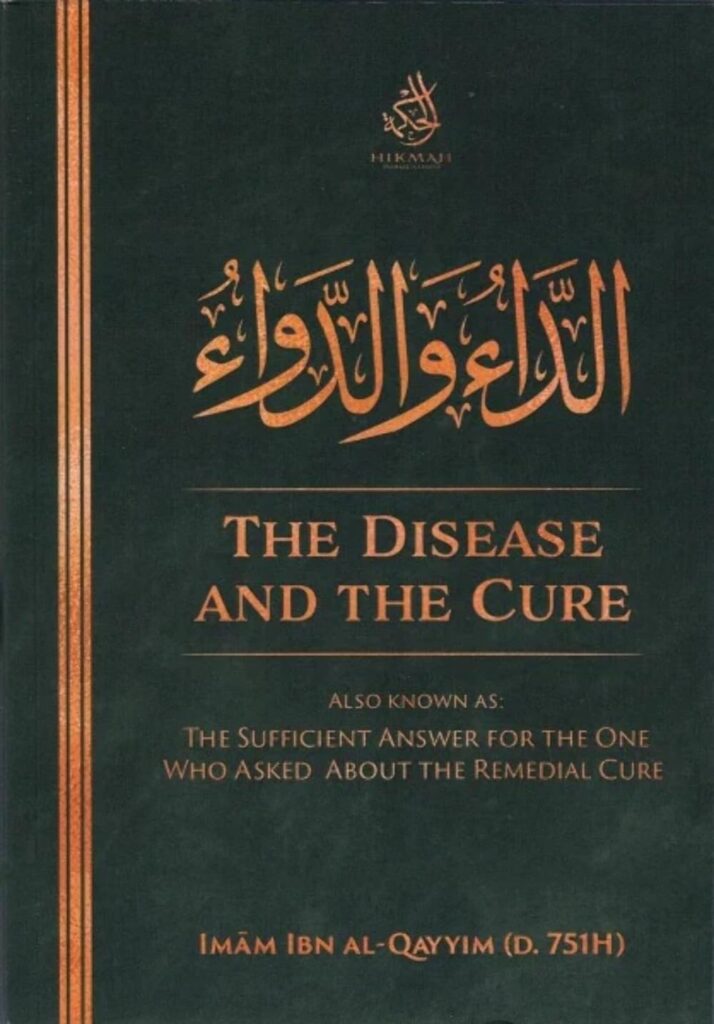
The Disease and the Cure (Ad-Da’ wa Ad-Dawa’) by Imam Ibn al-Qayyim al-Jawziyyah (1292–1350 CE) is widely regarded as a cornerstone of Islamic spirituality and self-purification. A prolific scholar and a devoted student of Sheikh al-Islam Ibn Taymiyyah, Ibn al-Qayyim is celebrated for his profound contributions to theology, jurisprudence, and personal development. This text stands out among his works as a deeply insightful guide to understanding the spiritual ailments caused by sin and the remedies prescribed by Islam, making it an enduring resource for those seeking inner peace and closeness to Allah.
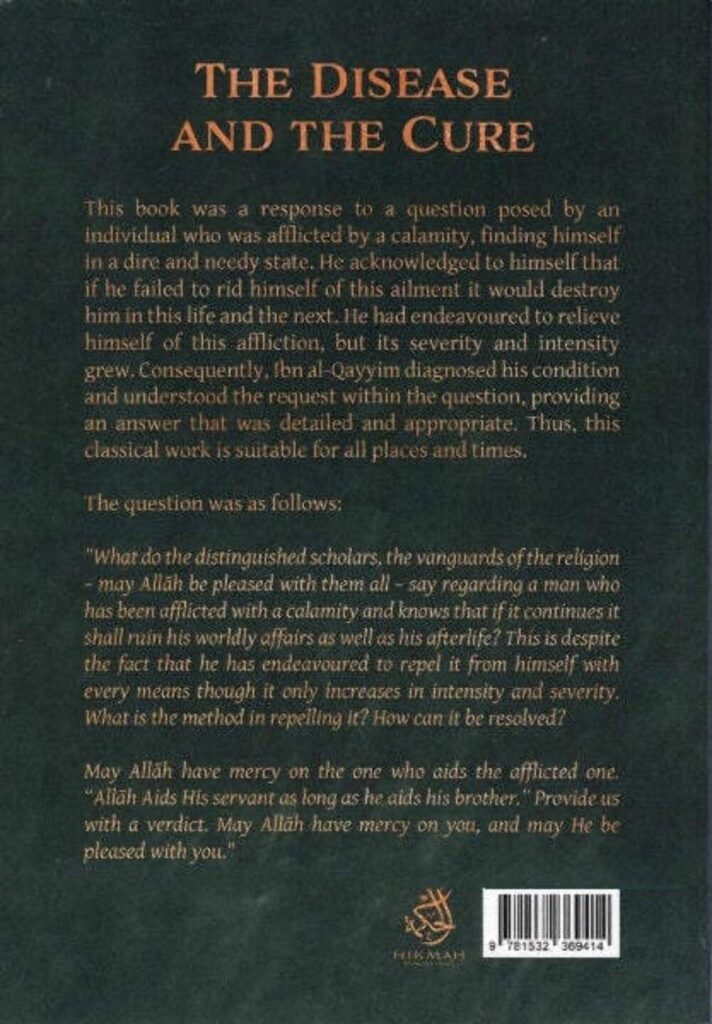
This book, written as a response to a query from a troubled believer, delves into the root causes of spiritual ailments (sins) and their remedies, drawing from the Quran, Hadith, and the wisdom of Islamic tradition. Its relevance and timeless advice have made it a guide for Muslims striving to purify their hearts and improve their connection with Allah.
Note: This article features affiliate links for Dar-us-Salam. Your support through these links allows us to continue recommending meaningful Islamic books and resources. Thank you!
2. The Disease and the Cure (Ad-Da’ wa Ad-Dawa’) by Imam Ibn al-Qayyim Themes and Purpose
The central theme of The Disease and the Cure “Ad-Da’ wa Ad-Dawa’” is the concept of sin as a spiritual disease that damages the heart and soul. Ibn al-Qayyim explains that just as the body suffers from physical ailments, the soul too can become diseased through disobedience to Allah. These diseases manifest in various ways, such as spiritual apathy, loss of connection with Allah, and moral corruption.
The book aims to:
- Identify the “diseases” of the heart caused by sins.
- Diagnose their root causes, including negligence in worship and lack of sincerity.
- Offer detailed “cures,” including repentance, dua, and adherence to divine guidance.
- Encourage readers to prioritize their spiritual health above worldly distractions.
The ultimate goal of the book is to guide believers toward attaining closeness to Allah, recognizing their dependence on Him, and leading a life of sincerity and obedience.
3. Structure of the Book “The Disease and the Cure (Ad-Da’ wa Ad-Dawa’) by Imam Ibn al-Qayyim”
The Disease and the Cure “Ad-Da’ wa Ad-Dawa’“ is divided into sections that reflect a logical progression:
- The Question and Its Importance: The book begins with a heartfelt question from a believer seeking help for his spiritual struggles, emphasizing the significance of addressing such issues.
- The Nature of Sin and Its Consequences: Ibn al-Qayyim discusses how sins harm the soul, disrupt a person’s relationship with Allah, and lead to both worldly and eternal consequences.
- The Root Causes of Spiritual Ailments: The author identifies causes such as ignorance, heedlessness, and weak faith.
- The Remedies: Practical and spiritual cures are provided, including sincere repentance (tawbah), remembrance of Allah (dhikr), reliance on Him (tawakkul), and steadfastness in worship.
The book is richly supported by Quranic verses, Hadith, and insights from earlier Islamic scholars.
4. Key Teachings
Some of the key teachings of the The Disease and the Cure Islamic book include:
- The Danger of Sin: Ibn al-Qayyim emphasizes that sins are not trivial but have profound consequences, including weakening one’s relationship with Allah and attracting His displeasure. He writes, “No sin is small when accompanied by persistence, and no sin is great when accompanied by seeking forgiveness.”
- Repentance as a Cure: True repentance (tawbah nasuha) is a cornerstone of spiritual healing. It requires sincerity, regret, and a firm resolution to avoid the sin in the future.
- The Power of Dua: Dua is presented as one of the most potent tools for seeking Allah’s help. Ibn al-Qayyim highlights that a believer should never despair of Allah’s mercy, citing the verse: “Do not despair of the mercy of Allah. Indeed, Allah forgives all sins.” (Quran 39:53).
- Reliance on Allah: The book stresses the importance of tawakkul (reliance on Allah) in overcoming life’s challenges and strengthening faith.
- Sincerity and Obedience: Acts of worship are meaningless without sincerity (ikhlas). Ibn al-Qayyim reminds readers to purify their intentions and focus solely on pleasing Allah.
5. What Scholars Have Said About The Disease and the Cure
The Disease and the Cure (Ad-Da’ wa Ad-Dawa’) by Imam Ibn al-Qayyim al-Jawziyyah has been highly praised by religious scholars for its deep insights into the human soul and its ailments. Here are some notable remarks:
- Sheikh al-Islam Ibn Taymiyyah: As the teacher of Ibn al-Qayyim, Ibn Taymiyyah is believed to have greatly influenced the themes of this book. He famously remarked, “Ibn al-Qayyim has a unique ability to address the diseases of the heart and provide remedies rooted in revelation.” His mentorship underscores the book’s intellectual and spiritual depth.
- Imam Ash-Shawkani (1759–1839): A Yemeni scholar of high renown, Ash-Shawkani described the book as “one of the finest works on the subject of spiritual purification and the refinement of the soul, crafted with precision and profound knowledge of the Quran and Sunnah.”
- Sheikh Muhammad Al-Mukhtar Ash-Shinqiti: A contemporary scholar, Ash-Shinqiti, often cites Ad-Da’ wa Ad-Dawa’ in his lectures, emphasizing its relevance even in modern times. He said, “This book penetrates the heart with its truths and offers solutions to the struggles faced by every believer.”
- Mufti Taqi Usmani: A prominent scholar of Islamic jurisprudence, Mufti Usmani highlighted the enduring value of the book, stating, “Ibn al-Qayyim’s ability to combine scriptural wisdom with psychological insight makes this book a must-read for anyone on the journey of self-purification.”
- Dr. Yasir Qadhi: A modern Islamic scholar, Dr. Qadhi frequently mentions The Disease and the Cure in his lectures, calling it “a timeless treasure trove of spiritual and emotional guidance that addresses universal human struggles.”
6. What Muslim Readers Say About The Disease and the Cure
Muslim readers across generations have expressed profound admiration for The Disease and the Cure (Ad-Da’ wa Ad-Dawa’) by Imam Ibn al-Qayyim. The book’s ability to resonate with people facing various spiritual and emotional challenges has made it a treasured resource for many. Here’s a glimpse into what readers have said about this timeless work:
- Spiritual Clarity and Heartfelt Impact
Many readers praise the book for its ability to illuminate the causes of spiritual ailments and guide them toward a path of purification. One reader remarked, “This book changed the way I view my own struggles. It provides a roadmap for curing the diseases of the heart with wisdom directly derived from the Quran and Sunnah.” - A Source of Motivation for Repentance
Readers often highlight how the book serves as a wake-up call for those distant from Allah. A reviewer noted, “Every page is a reminder of Allah’s mercy and the importance of sincere repentance. It motivates you to turn back to Allah with hope and humility.” - Timeless Relevance
Despite being written centuries ago, The Disease and the Cure continues to feel relevant to modern readers. One individual shared, “I was amazed at how applicable the teachings are to today’s challenges—be it depression, anxiety, or distractions from faith.” - A Book for Deep Reflection
Many readers mention that this is not a book to read once but to revisit multiple times. A reader shared, “Every time I go back to it, I discover something new that relates to my current spiritual state. It’s a lifelong companion for the soul.” - Transformative Healing
A recurring theme in reviews is the book’s practical guidance for emotional and spiritual healing. One reader said, “This book is like therapy for the believer—it delves deep into your soul and offers remedies that truly work.”
7. Relevance Today
The teachings of Ad-Da’ wa Ad-Dawa’ remain profoundly relevant in contemporary times, where Muslims face numerous spiritual and psychological challenges. The book addresses issues such as:
- Spiritual Apathy: It provides tools for overcoming feelings of disconnection from faith.
- Modern Distractions: In a world filled with temptations and distractions, the book offers guidance on staying focused on one’s ultimate purpose.
- Mental and Emotional Health: Ibn al-Qayyim’s emphasis on dua, reliance on Allah, and regular acts of worship aligns with modern understandings of emotional resilience and mental well-being.
8. Quotations and Commentary
Here are some notable quotes from the book, along with their significance:
- “Every action has a consequence, and every sin leaves a black mark on the heart.”
- This highlights the spiritual impact of sins and the need for constant purification.
- “The hearts of those who remember Allah and those who do not are like the living and the dead.”
- A reminder of the transformative power of dhikr.
- “The sweetness of obedience removes the bitterness of trials.”
- This reflects the idea that worship and reliance on Allah bring inner peace even in difficult times.
9. Conclusion
The Disease and the Cure is more than just a book—it is a roadmap for spiritual purification and growth. Its timeless wisdom, drawn from the Quran and Sunnah, provides profound insights into the human soul and practical solutions for overcoming its ailments. For those seeking a deeper connection with Allah and a path to true inner peace, this book is an invaluable resource.
Where to Find The Disease and The Cure
Click here to buy your copy of The Disease and The Cure from Dar-us-Salam, a trusted source for authentic Islamic books. Dar-us-Salam offers reliable translations of this timeless book, ensuring you receive a high-quality edition for your personal library or study.
If you’re inspired by the teachings in The Disease and the Cure, explore more Self-Help Islamic Books Popular Titles. These books offer valuable insights and practical advice for spiritual healing, personal growth, and overcoming life’s challenges through the guidance of Islam.